Do you want to venture into politics?” This question has come up frequently as I’ve been reading Ruchir Sharma‘s book “The 10 Rules of Successful Nations.” My answer has consistently been “No.” While I am already a leader in my sphere of influence, I find myself more intrigued by economics.
For a nation to succeed on the world stage, what does it take? According to Mr. Sharma, a nation doesn’t need to fulfill all ten rules but would benefit from adhering to most of them. He identifies several key factors:
- Population
- Politics
- Inequality
- State Power
- Geography
- Investment
- Inflation
- Currency
- Debt
- Hype
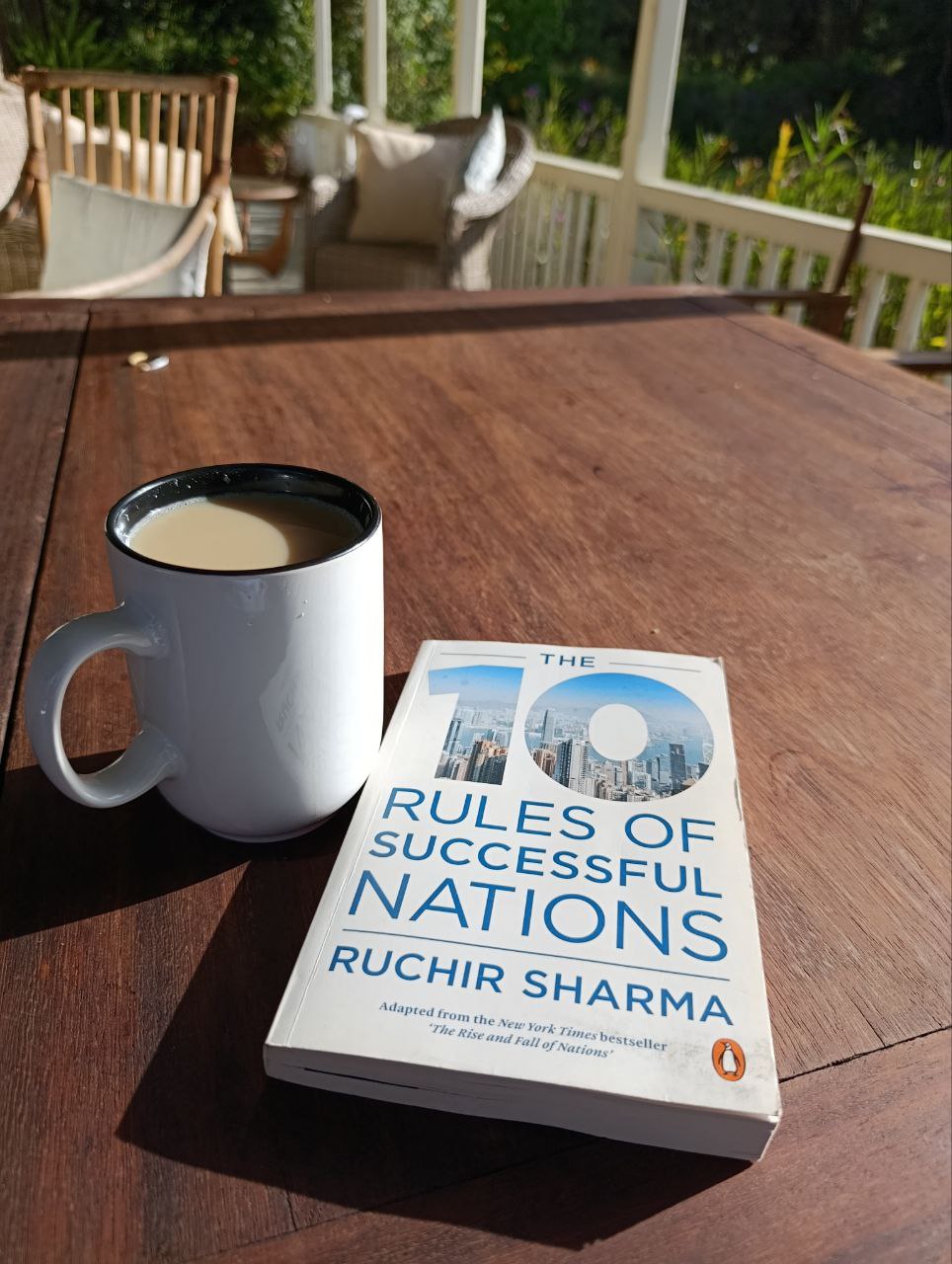
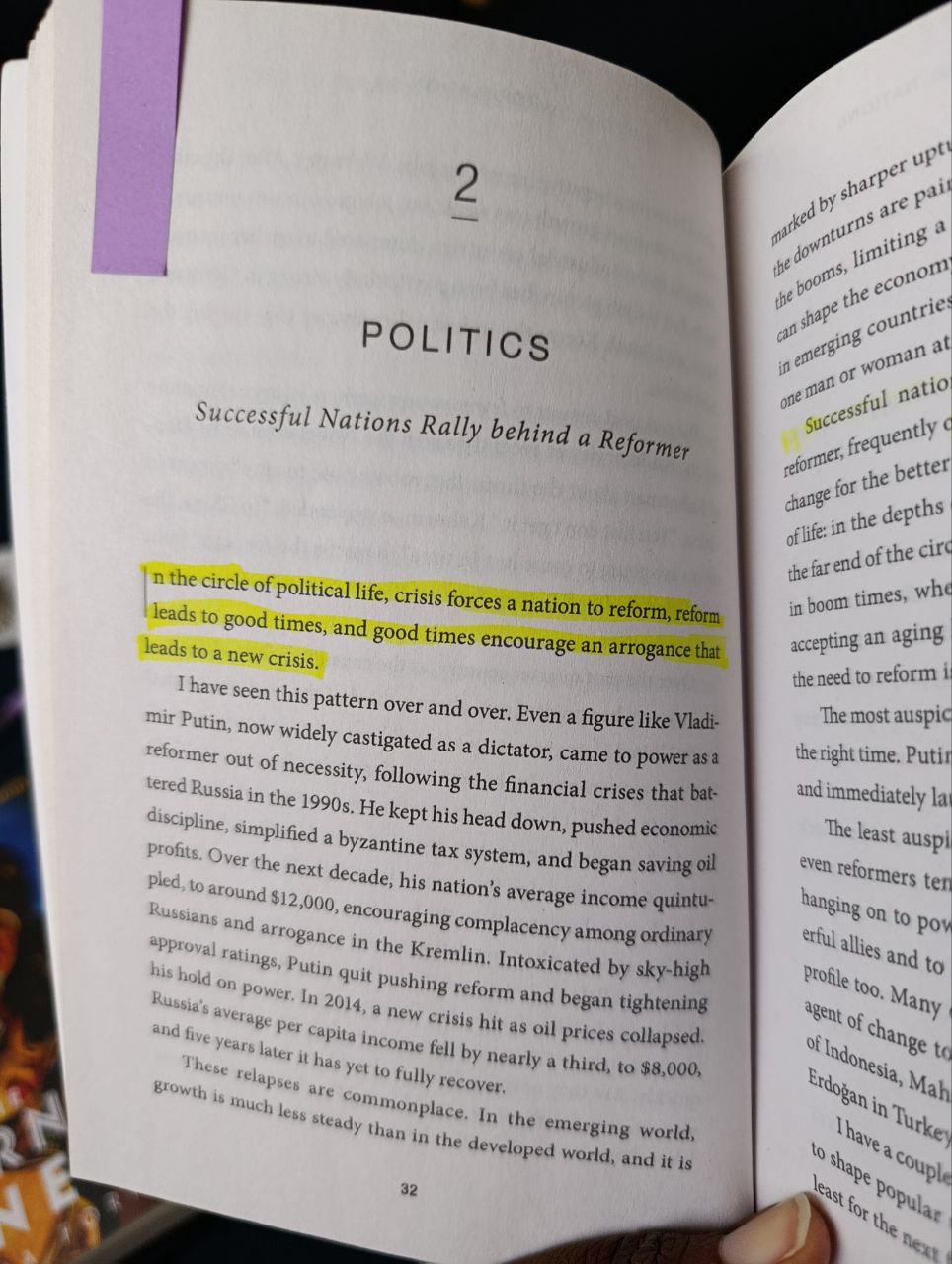
Mr. Sharma emphasizes a fundamental principle that underpins all these rules: the recognition of the impermanence of economic trends and the regular rhythms of change.
Reflecting on Kenya in relation to these ten rules reveals significant gaps. It’s not that we lack understanding of the trends; rather, our systems have made a select few comfortable. This comfort often hinders the refinement and implementation of necessary policies, as change can be perceived as a loss or discomfort to their gains.
I found it particularly thought-provoking when reading about State Power. “Successful nations, as Mr. Sharma notes, build governments that are right-sized—not overly bloated and smothering, nor too small to provide essential services like police, schools, roads, and telephone networks. Their government spending is balanced compared to other nations within their income class.”
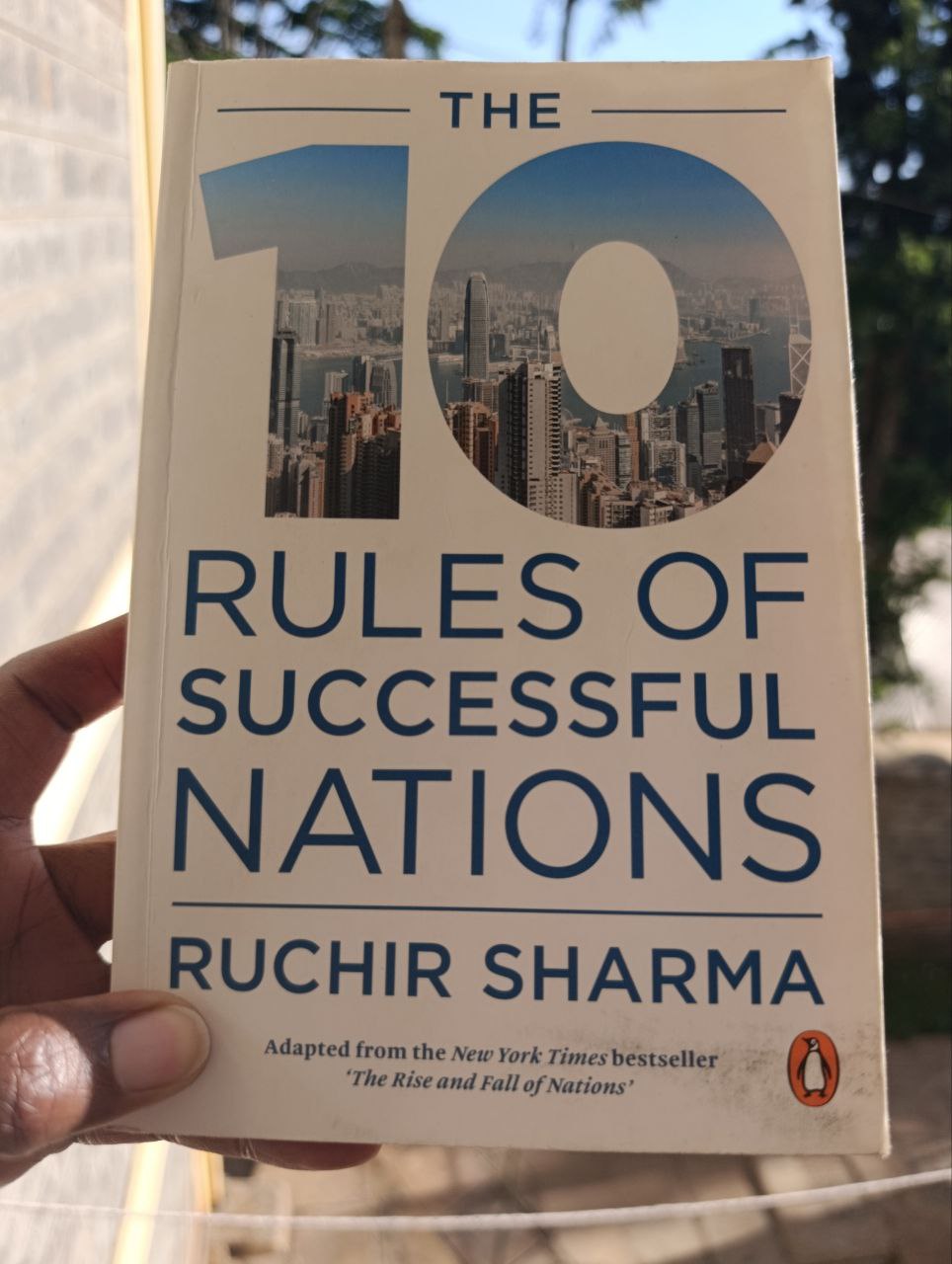
After engaging with this book, I am left with more questions, especially regarding inflation and currency trends. I am curious about what it would take to maintain a sense of balance in these areas.
About the Author: Ruchir Sharma penned the international bestseller Breakout Nations and is a contributing op-ed writer at the New York Times. His commentary has also appeared in the Wall Street Journal, the Financial Times, Foreign Affairs, and other publications. He is chief global strategist at Morgan Stanley Investment Management, based in New York.

 nilichoandika